
;)
;)
;)
;)
;)
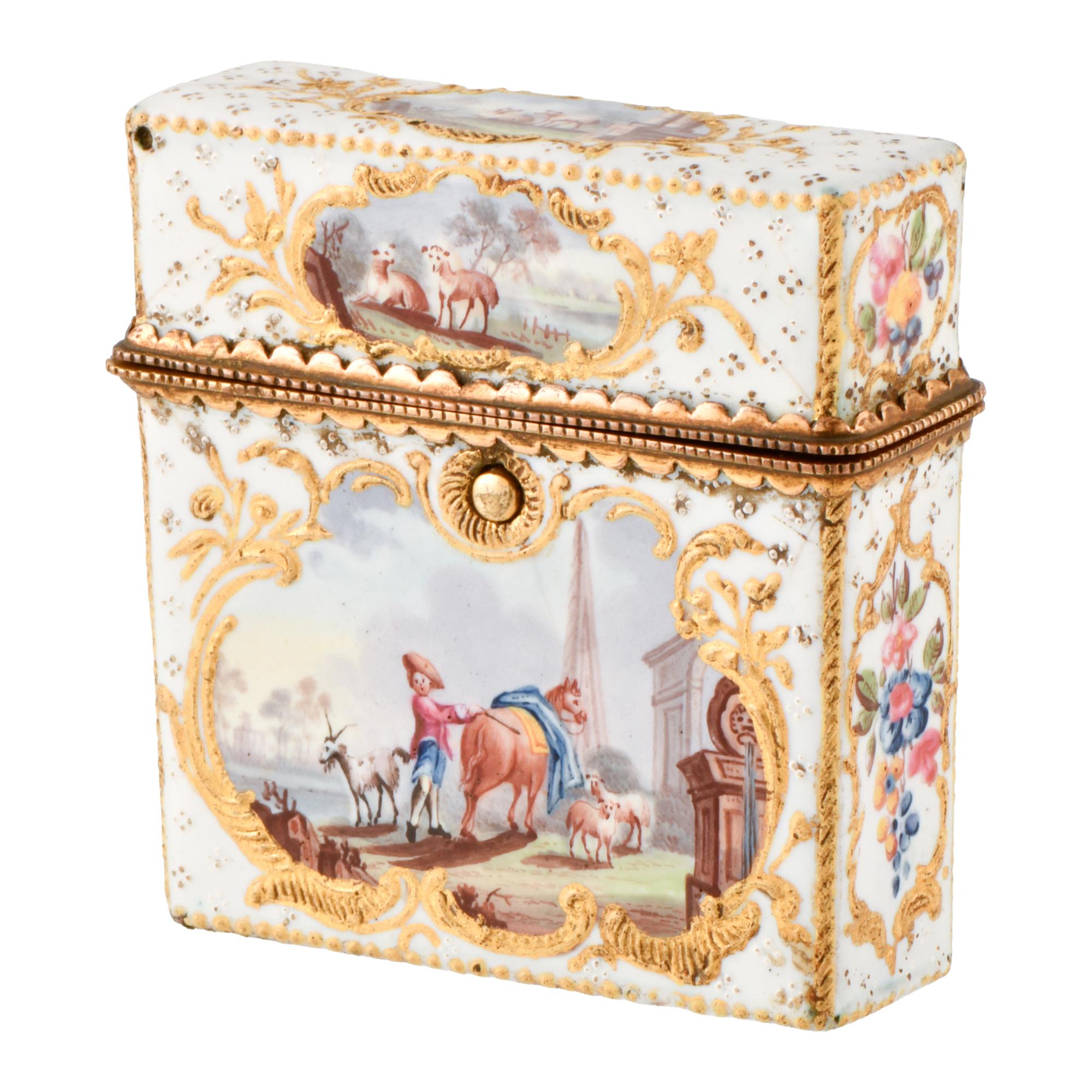
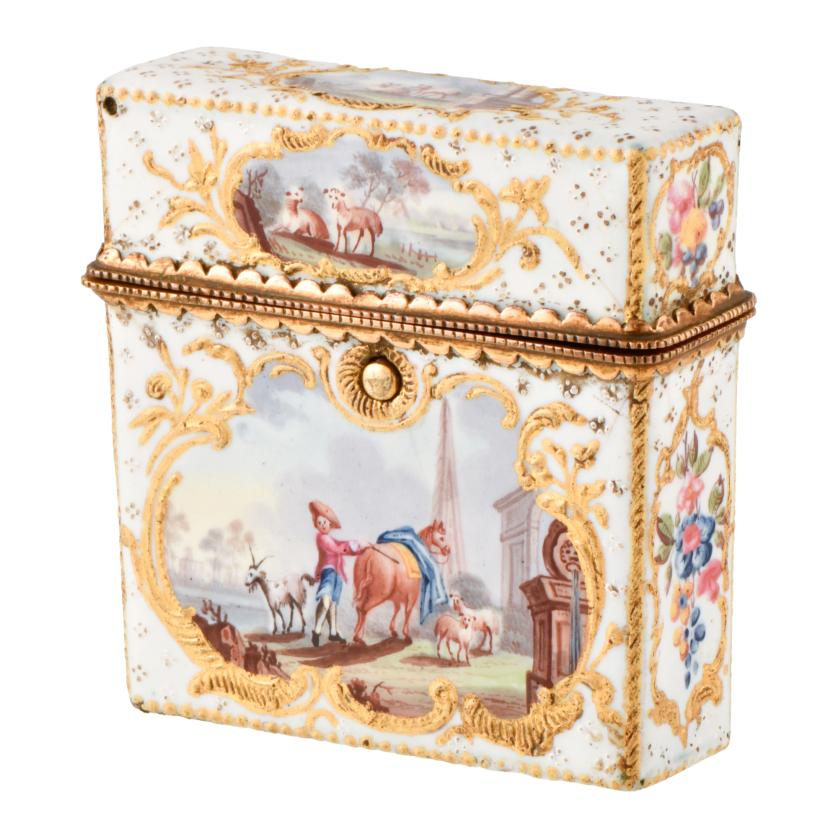
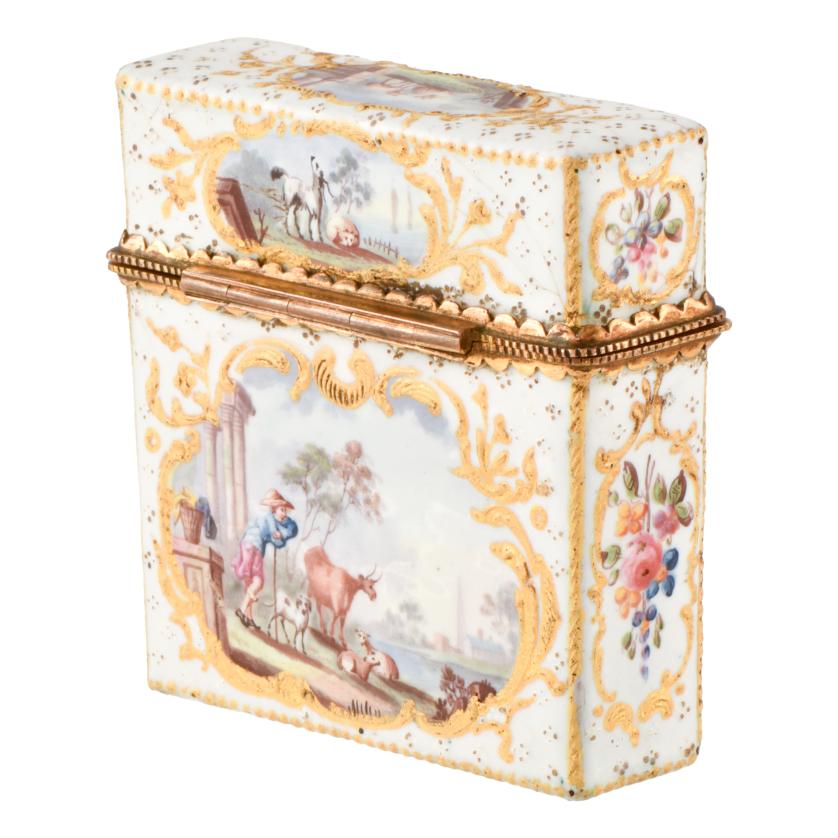
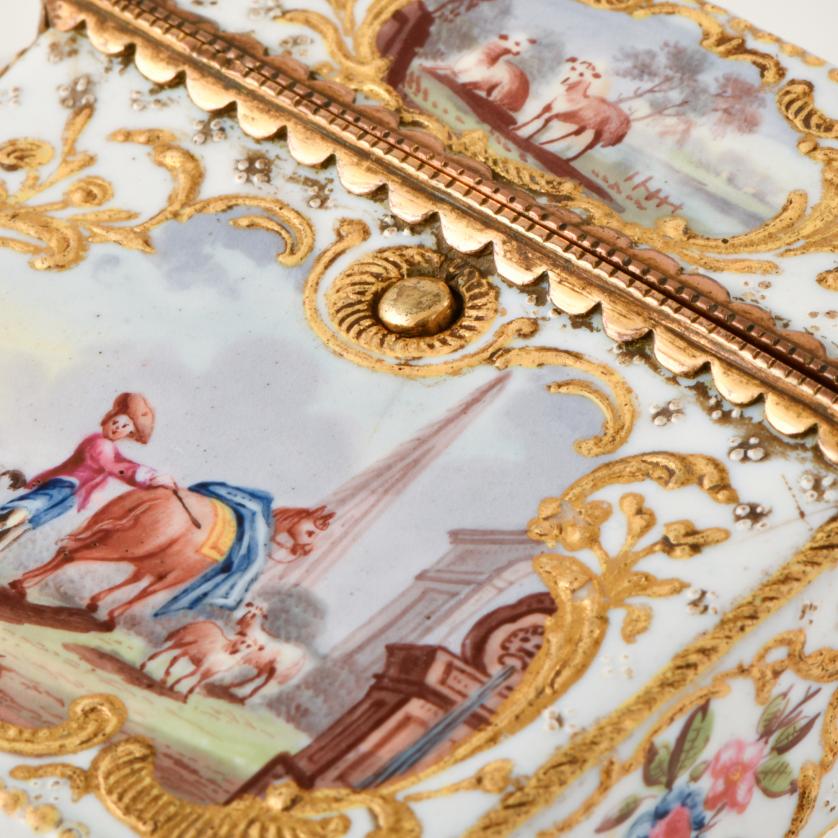
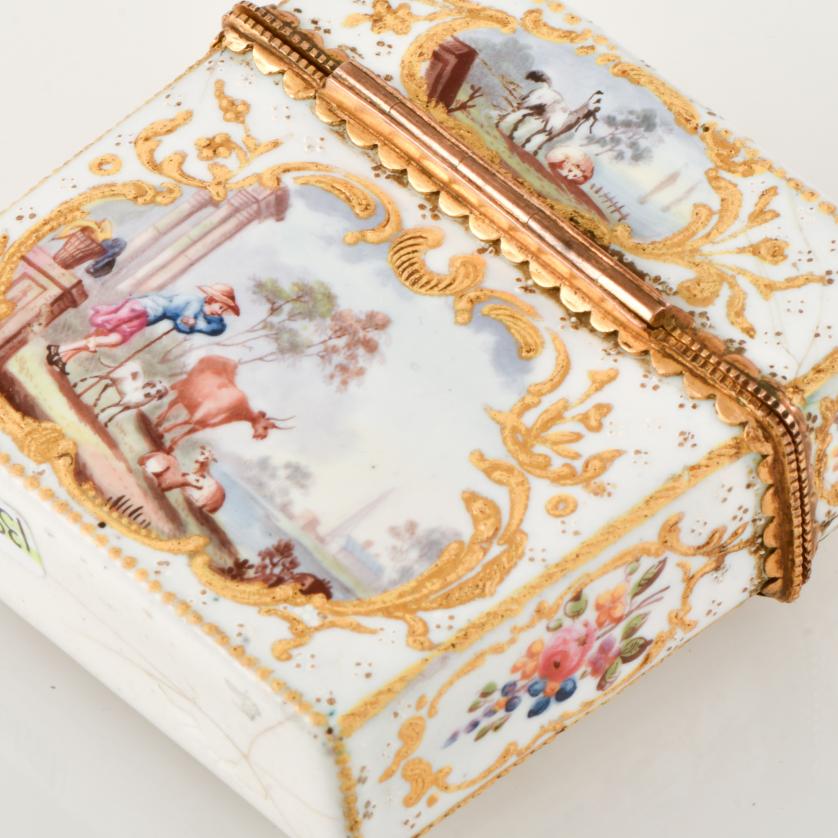
452. 18TH CENTURY ENGLISH SCHOOL. Ladies’ vanity case, circa 1765. Probably made in South Staffordshire workshops.
Finalized
Start price 800€
SOLD
Do you need a shipment?
Contact our logistics department here
Purchase conditions for this lot
The auction price for both auctions and direct sales will increase by 18% for the auction house´s brokerage fees, plus a 21% VAT on the auction house´s commission. The auction price will increase by 21.78%, which includes commission and VAT.
Once the tender is over, you will receive a notification indicating whether you are the winner, with an invoice attached. Payment must be made within 15 calendar days, otherwise the lot will be rescinded.
Do you want to sell a similar piece with us?
If this lot caught your attention because you have a similar one, we encourage you to make a completely free valuation. Click here and an expert will contact you.
Lot description
Polychrome, gilded and hand-painted Battersea enamel; gilded bronze and carved glass.
Chipping, cracks in the enamel and signs of ageing.
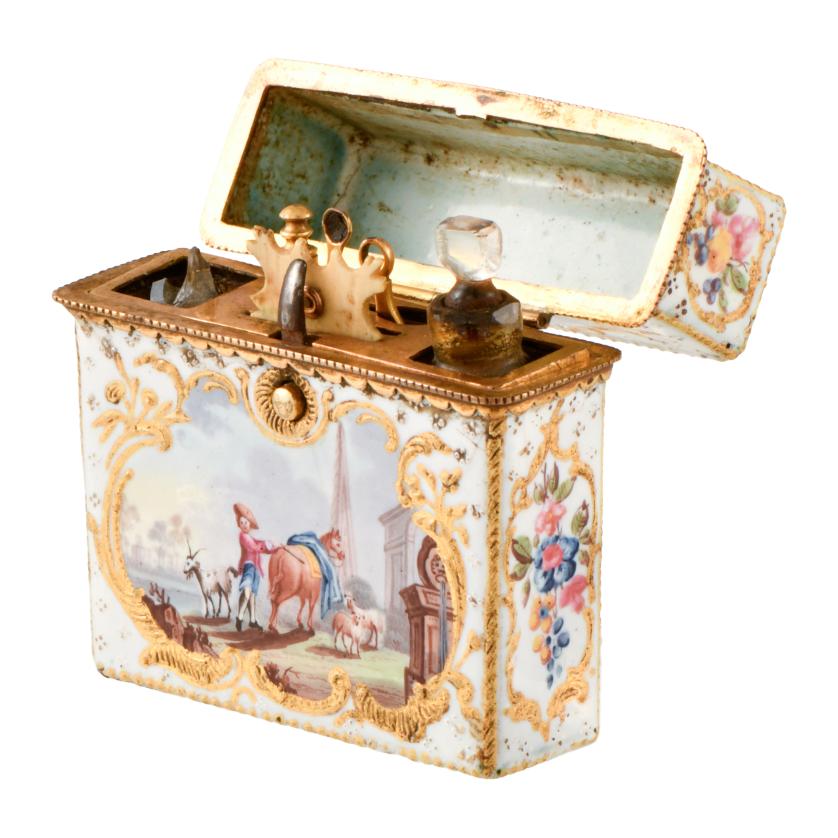
The case contains six items: a perfume bottle with a stopper; another perfume bottle with a crack at the mouth and no stopper; two gilt bronze spatulas and a gilt bronze pencil case.
A nail file and a pair of personal care scissors are probably missing.
The spring-loaded opening mechanism worked correctly at the time of cataloguing.
7 x 7 x 2.5 cm.
CATALOGUE NOTE:
This case, designed for the storage and transport of toiletries, is a representative example of English enamelwork produced in Battersea during the 18th century. These items are characterised by the application of opaque enamels onto a metal base, a technique that created a visual imitation of porcelain, an expensive material at the time. The popularity of these objects reflected the growing demand for luxury goods from an emerging bourgeoisie, offering more affordable alternatives without sacrificing a refined appearance.
The pictorial decoration features bucolic scenes, reflecting the aesthetic sensibilities of the time, where the idealisation of nature is combined with classically inspired architectural elements, such as obelisks, triumphal arches and temple-like structures. This combination of motifs makes the piece part of the so-called Transition style, in which Rococo conventions persist whilst anticipating the formal languages of Neoclassicism.
In terms of their function, these cases played a significant role in 18th-century women’s social practices. They contained items for personal care, such as perfume bottles, manicure sets or cosmetic applicators, and thus served as everyday objects linked to the construction of appearance and social identity. Beyond their utilitarian purpose, their possession and exhibition were part of the codes of distinction typical of the material culture of the period.
The Metropolitan Museum of Art has a case with similar characteristics in its collection:
https://www.metmuseum.org/es/art/collection/search/187236
Recomended lots
Confirm your maximum bid
You are bidding for €
- Tax not included
Confirm your maximum bid
You are bidding for €
subarna-app.lot.recuerde_comision
- Tax not included
Loading…
Conecting
Are you sure you want to buy the lot?